⏱️ 02:20 READING TIME
Summer is the season that invites us to change pace. Colors become brighter, days get longer, and the desire for lightness, freedom, and movement grows. Our habits change too, and often so do our visual needs.
For those who need vision correction, this is the time to ask: is it better to rely on contact lenses, or is it wiser (and more enjoyable) to rediscover the charm and practicality of glasses?
The truth is there’s no one-size-fits-all answer: the choice depends on who you are, what you do, and how you live your summer. Let’s take a moment to think about the advantages, limits, and possible combinations of these two options.
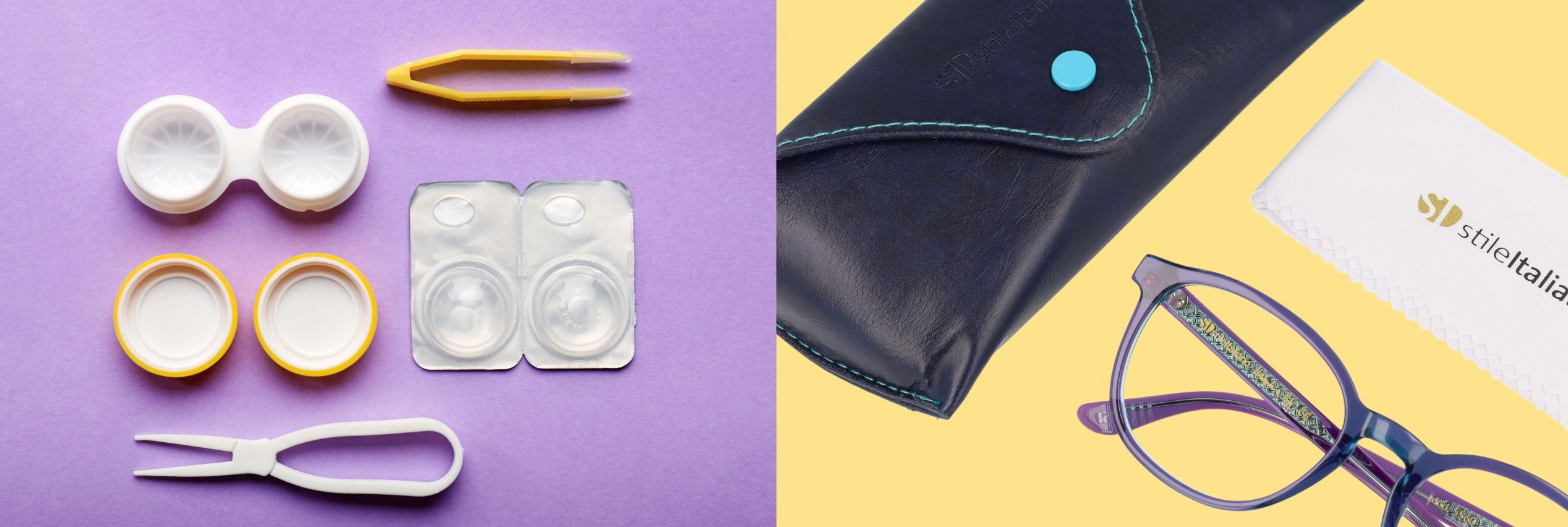
Contact lenses: invisible, light, perfect for active lifestyles
For those who love feeling free, practical, and dynamic, contact lenses are an ideal solution – especially on summer days when the sun invites us to head outdoors.
Imagine walking by the sea, playing sports, or wearing your favorite non-prescription sunglasses. Lenses let you do all this without constraints or bulk.
Strengths:
• They provide wide, natural vision with no frames around your gaze.
• Perfect for sports activities, cycling, or mountain hiking.
• Allow you to wear any type of trendy sunglasses.
Things to consider:
• Dry eyes: sun, wind, and air conditioning increase dryness, making lenses less comfortable.
• Management: require constant hygiene and care, which can be tricky when traveling.
• Caution: risk of infection increases at the beach or pool.
• No UV protection: always pair with sunglasses.
• No personality: they don’t enhance your face or tell your story.
💡 Tip: If you love practicality, consider daily lenses. They’re perfect for summer: wear them, toss them, no solutions or cases needed. Plus, they’re great to keep on hand as a “Plan B.”
Glasses: not just a tool, but a style accessory
Glasses have a charm of their own. They are not just a means to see better: they are part of who we are, an expression of our personality. In summer, they can also be allies in terms of protection and comfort.
Think about the annoyance of sand carried by the wind, the glare on a sunny terrace, or the sudden chill when entering an air-conditioned place: glasses protect and accompany you in all these situations.
Why choose them in summer:
• Protect from intense light, especially with photochromic or blue light filter lenses.
• Offer a physical barrier against dust, wind, and allergens.
• Require no complicated maintenance or direct eye handling.
• They are increasingly beautiful, lightweight, colorful — a design accessory that enhances every face.
Some useful tips:
• Avoid heavy materials if you’ll be spending a lot of time outdoors.
• Choose anti-reflective or photochromic lenses that darken in sunlight.
• Remember to protect your eyes with prescription sunglasses too: style and safety can go perfectly hand in hand.
Switching is the key; freedom, beauty, and functionality
The best choice is often not between glasses or lenses, but between glasses and lenses. Alternating is a smart strategy that lets you enjoy the advantages of both.
Glasses for working or relaxing during a cool terrace aperitif, lenses for trekking, cycling, exploring. The important thing is to listen to your lifestyle — and take care of your eyes mindfully.
Summer essentials: what to pack in your travel bag
✔️ A pair of lightweight prescription glasses, maybe in colorful acetate, comfortable and high-quality
🕶️ A good pair of sunglasses (even prescription) with UV filter
👁️ A kit with a few daily contact lenses, ideal for active days
🧴 A moisturizing solution or refreshing eye drops if you wear lenses
🧼 A microfiber cloth and a hard case to protect your glasses
In conclusion: summer is also vision
Summer is for seeing the world with fresh eyes. That’s why it’s worth taking a moment to reflect on what makes you feel good — not just see better.
Whether you choose glasses or contact lenses, the most important thing is feeling good in your eyes.
And if you want to do it in style, we’re here to accompany you.

⏱️ 01:50 READING TIME
Summer means freedom, light, relaxation. But if you’re still checking notifications, emails and social feeds under the sun, it might be time for a digital break.
You don’t need to disappear from social media or throw away your smartphone. You just need to choose, now and then, to be present.
And when you do it, do it with determination and self-care.
Because even beyond the screen, your gaze can speak. 👀
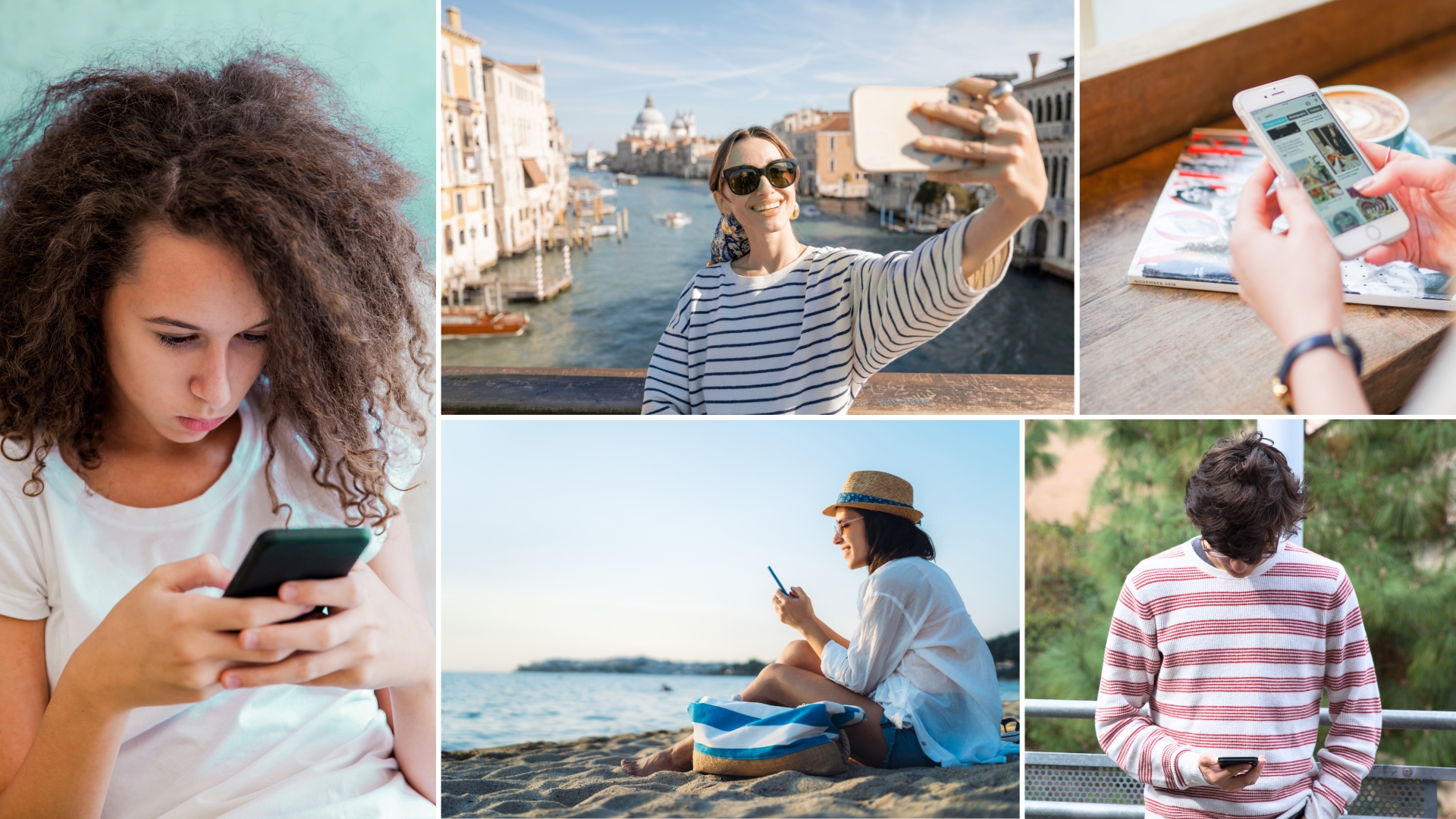
🔎 Signs you need a Digital Detox… for you and your eyes!
1️⃣ You scroll without realizing it
Ever pick up your phone to check the time and end up, 20 minutes later, on a Japanese cat influencer’s profile? You’re not alone. But maybe it’s time to take a step back.
👉 Style tip: Leave your phone at home and just take your sunglasses with you 🕶️
📍 SPOIL: your eyes deserve the real world.
2️⃣ You wake up and the first thing you do is look at a screen
If your morning starts with a blue screen instead of the sunshine, your body and mind are asking for a break.
🌿 Try starting your day with a walk in the park, sunglasses on and an offline playlist:
your brain will thank you.
3️⃣ You feel constantly “disconnected” – and not in a good way
More time online = less time for yourself.
If you feel tired, irritable or distracted, it might not just be stress: it could be digital overload.
😎 Rediscover the joy of slow time:
a book in the shade, a day at the beach, a face-to-face conversation.
Your eyes and mind will thank you.
4️⃣ You only take vacations “for the content””
If the only reason for your trip is “for the post,” something got lost along the way.
Summer is meant to be lived, not just shared.
📷 Remember: the best moments are the ones you don’t post because you’re too busy enjoying them!
5️⃣ Your eyes feel tired
Dry eyes, headaches, blurred vision?
Screen time doesn’t go easy on us.
👁️ Your visual system needs a break too.
🕶️ Protect your eyes with quality eyewear and, if you can, schedule a vision check-up.
👉 True beauty starts with your gaze, especially when you’re offline.
✨ Start your Digital Detox one step at a time, one gaze at a time.
You don’t need to give up technology – just learn to use it mindfully.
☀️ This summer, give yourself the luxury of truly living:
eyes on the horizon, light heart, phone on silent.
💡 Because when you turn off the screen, life turns on.
And your gaze – finally free – will tell your story better than any filter ever could! 🌅
⏱️ 03:50 READING TIME
It can happen out of the blue: the old frame breaks, or it’s simply time for a new one.
You walk into the optician’s store as usual, but this time something is different.
In front of the mirror, your 12-, 13- or 14-year-old looks at their old glasses and says:
“I’m not wearing these. I’m not a kid anymore.”
👓 Glasses are not just glasses
Kids grow up suddenly.
And when it happens, every detail — even glasses — becomes part of their identity. In childhood, glasses are chosen together: durability, comfort, maybe a playful color. But around 12–13, everything changes. The body changes. The face changes. But above all, the way they see themselves, and want to be seen, changes. Glasses are no longer just a necessity. They become a symbol.
A silent message:
“Look at me. This is who I am.”
⚠️ The problem? What they want doesn’t always suit them
When they ask for “grown-up glasses”, they often imagine serious designs in neutral colors, or metal frames in gold or silver. They’ve seen them on an older sibling, a favorite influencer or a celebrity.
The issue? On a young face those frames look oversized, heavy, sometimes uncomfortable. And that’s where the tension begins: they insist, you don’t want them wearing glasses that keep slipping down, and the optician may only have childish alternatives.
The result?
A standoff, frayed nerves, and the dangerous idea that “wearing glasses” is a punishment.
🧠 How to handle this moment
Here are some practical tips for parents who want to turn conflict into constructive dialogue:
💬 1. Listen before correcting
Avoid harsh phrases like:
- “They don’t suit you!”
- “You’re too young for those!”
Instead, try:
“I get that you want something that feels more mature, cool or stylish. Let’s find a pair together that you really like and that also fits you well, okay?”
🧍♂️ 2. Let them see themselves
Take a photo with the “adult” frame and then with one that’s more suitable. Sometimes seeing the difference from the outside makes it clear.
🎯 3. Involve them in the choice (but guide the process)
This is not the time to impose, but not to let go completely either.
Make it a shared journey: they bring the taste, you bring the experience.
🌈 4. Look for opticians with teen collections
Not every store is prepared with a proper selection. Some only offer small kids’ or adult models.
But there are collections designed exactly for this age: sober, modern, light, and proportioned for a young face.
❤️ 5. Explain why this is an important moment
Help them see that wanting change is normal — it’s a beautiful sign of growing up.
And finding the right glasses — not childish, not too adult — can be the first step toward self-confidence and self-acceptance.
✨ The good news? There are glasses made just for this age
Today, some brands and opticians are offering models designed for those “in between”.
Because every stage of growth deserves to be lived with freedom, confidence and style. Especially when it comes to glasses.
In conclusion
When your child says “I don’t want kids’ glasses anymore”, they’re saying much more.
They’re really telling you:
“I’m changing. Help me find something that reflects who I am.”
And you can be there.
Not to choose for them, but to guide them towards the right choice — the one that makes them feel good every time they look in the mirror.

stileItaliano – 15 Years of Style for Kids and Teenagers! 🎉

For 15 years, stileItaliano has been supporting kids and teenagers during their growth, offering eyeglasses with frames that combine design, comfort, and safety, always with a touch of Made in Italy style.
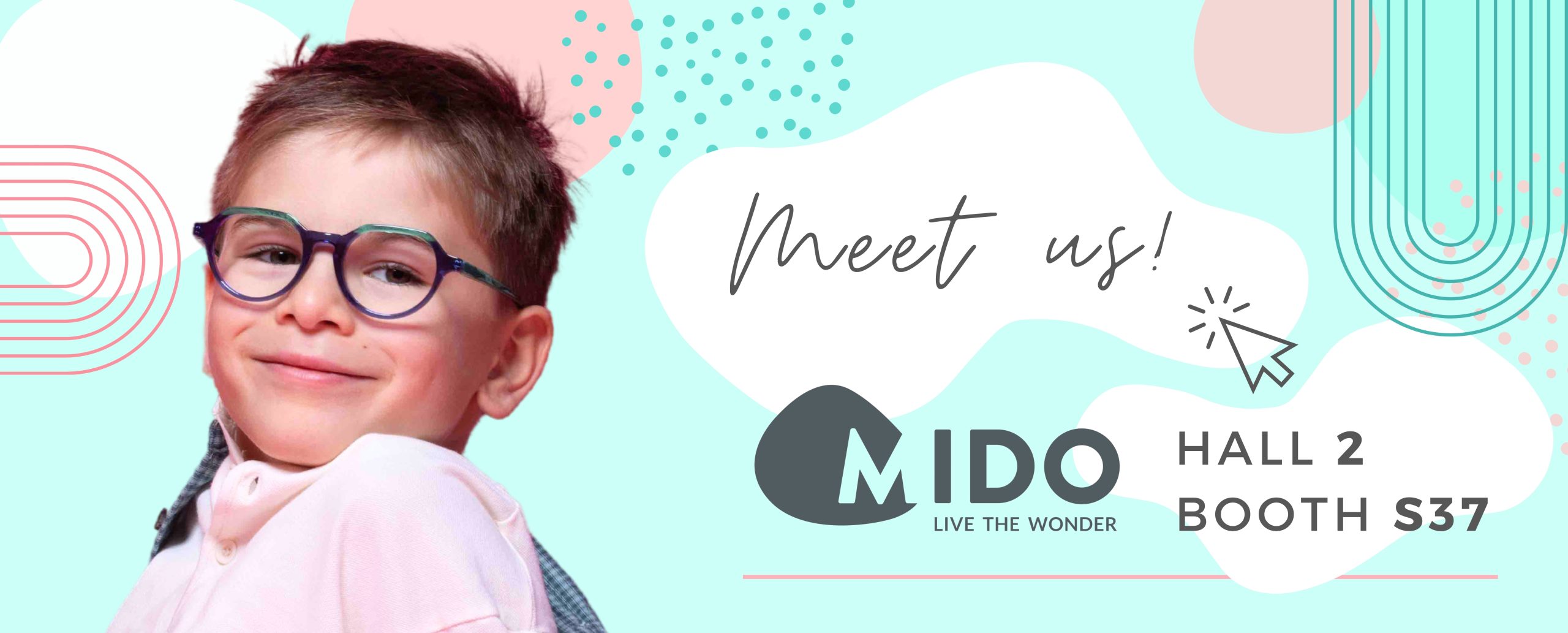
At MIDO 2025, we are unveiling our new collections designed for younger generations, perfect for independent opticians looking to offer products that are much more than just glasses: tools for wellness, confidence, and personality.
Discover FINE, he sunglasses collection with Zeiss lenses for the most discerning customers, ideal to complete any look.
📍 Where to find us:
Hall 2, Stand S37
Come see how stileItaliano can help you win over parents and kids with glasses that truly make a difference.
🌟 Why choose stileItaliano?
- Eyewear tailored for kids and teenagers: Frames designed to enhance their personality and support them through every stage of growth.
- Made in Italy: Quality, craftsmanship, and attention to detail for safe and long-lasting glasses.
- Appealing and colorful design: Perfect to captivate both kids and their parents.
- Support for opticians: From communication to collections, we provide everything you need to stand out in your market.
- Sustainability at the core: We use eco-friendly or locally sourced materials and responsible production processes to reduce environmental impact.
Visit us at MIDO 2025. We look forward to showing you how to revolutionize the way you present glasses to younger generations.
📅Book a meeting with us!
Discover our collections in person and see how we can help you meet the needs of your youngest clients.
Hall 2, Stand S37
The future of design for kids and teenagers awaits you!
⏱️ 04:30 READING TIME
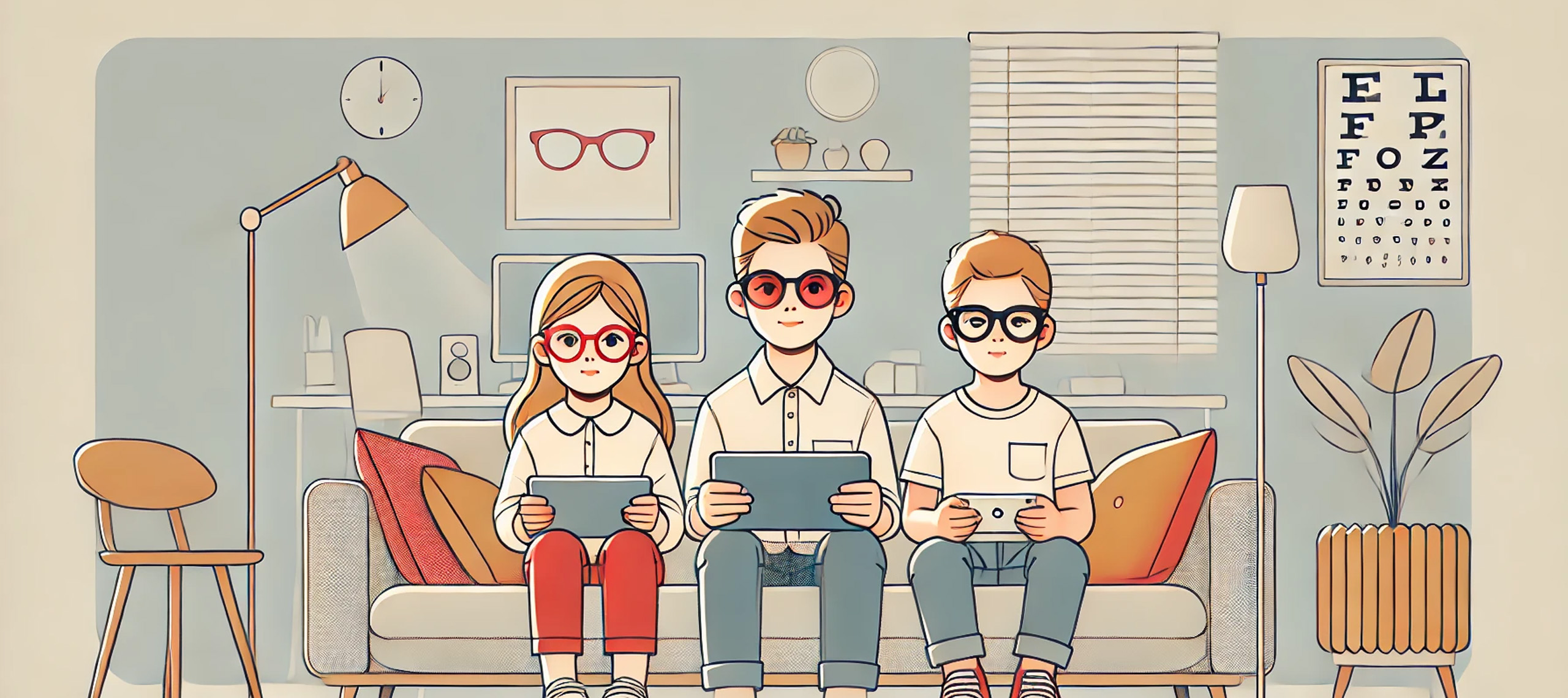
In today’s digital era, devices like computers, tablets, and smartphones have become an integral part of daily life – not just for adults but for children as well. These tools are now essential for both education and leisure, but they also prompt questions about their potential impact on children’s vision and overall health. What are the main risks associated with prolonged screen exposure? Can we also find positive aspects in this rapidly evolving scenario?
The main risks to children’s visual health
Prolonged screen use can lead to “digital eye strain,” a condition marked by symptoms such as dry eyes, itching, blurred vision, and difficulty focusing. This happens when the eyes are constantly fixated on a nearby screen, overloading the eye muscles.
Moreover, myopia (nearsightedness) is on the rise among children. Hours spent focusing on digital screens, coupled with limited exposure to natural light, appear to accelerate the development of this condition. Research suggests that children who spend more time outdoors are less likely to develop myopia compared to those who stay indoors glued to screens.
Effects of screen time on overall health
The impact of digital devices isn’t limited to vision alone. Posture, sleep, and mental well-being can also suffer:
- Posture: Extended screen use often leads to slouching, which can result in neck, back, and shoulder pain.
- Sleep: Blue light emitted by devices can disrupt sleep patterns, alter circadian rhythms, and make falling asleep difficult, particularly when screens are used in the evening.
- Emotional well-being: Excessive digital stimulation can cause anxiety and restlessness, especially when screen time isn’t regulated.
How to protect children’s vision: strategies and practical tips
Prevention is the key, and regular eye check-ups are strongly recommended. Taking children for annual eye exams helps monitor their visual health. Fortunately, there are simple and effective measures to mitigate the risks associated with excessive screen use:
- The “20-20-20” Rule:
To alleviate eye strain, encourage children to follow the 20-20-20 rule. Every 20 minutes of screen use, they should look away from the screen and focus on an object about 6 meters (20 feet) away for at least 20 seconds. This allows the eyes and their muscles to relax. - Limit screen time:
Pediatricians recommend setting daily screen time limits, especially for younger children. For school-aged kids, taking frequent breaks can reduce eye strain and slow the progression of myopia. - Encourage outdoor activities:
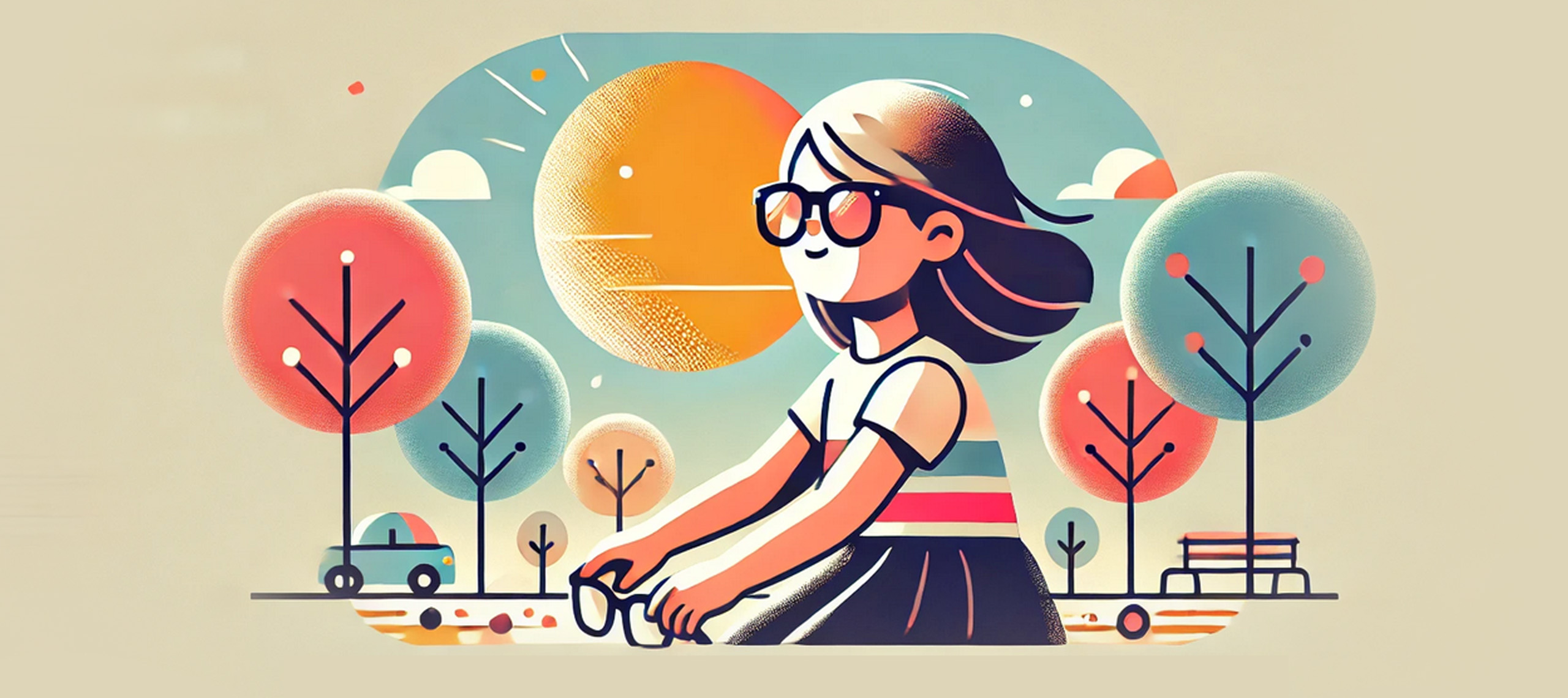
Natural light and open spaces promote healthy visual development. Spending more time outdoors has protective effects against myopia and provides much-needed rest for eyes strained by digital devices. - Use blue light filter glasses:
Glasses with blue light-blocking lenses can help reduce the impact of blue light on children’s eyes, especially for those who spend many hours on screens. However, these glasses should not replace regular breaks. - Offer alternatives to digital devices:
Boredom is essential for children’s creative development, but in the digital age, moments of mental pause often disappear. Kids tend to turn to screens for relaxation or lack of ideas, rather than productivity. Allowing moments of boredom is crucial for time management, creativity, and independent problem-solving.
Simple household activities can also keep children away from screens and help protect their vision. Tasks like making the bed, tidying toys, or helping with chores foster a sense of responsibility and strengthen their connection with the real world – rather than the virtual world of social media.
The benefits of technology: harnessing it in a healthy way
While technology presents risks, it also offers educational and social benefits when used mindfully. Digital devices can spark curiosity and creativity, making learning more interactive and engaging. Educational games, for instance, help develop cognitive and problem-solving skills.
To maximize the advantages of technology, it’s important to find a balance. Screen time should be complemented with activities that support physical and visual development.
Teaching children responsible technology use
Helping children understand the importance of taking care of their eyes is essential for navigating the digital age healthily. Involving them in managing screen time and establishing breaks and limits together fosters a balanced relationship with technology. These habits of self-awareness and eye care will serve them well into adulthood.
Conclusion
The digital era poses significant challenges to children’s visual health, but it also offers opportunities to teach them responsible technology use for a future that will increasingly rely on it. With small adjustments and strategies, we can reduce risks and turn digital innovation into a tool for growth. It’s our responsibility to guide children on this journey, protecting their eyes and overall well-being while ensuring that technology serves them – not the other way around.